Cold Weather Cuts Into EV Range More Than Most Reviews Ever Test For
Winter testing season exposes a gap most EV reviews never quantify. Nearly every review covers…
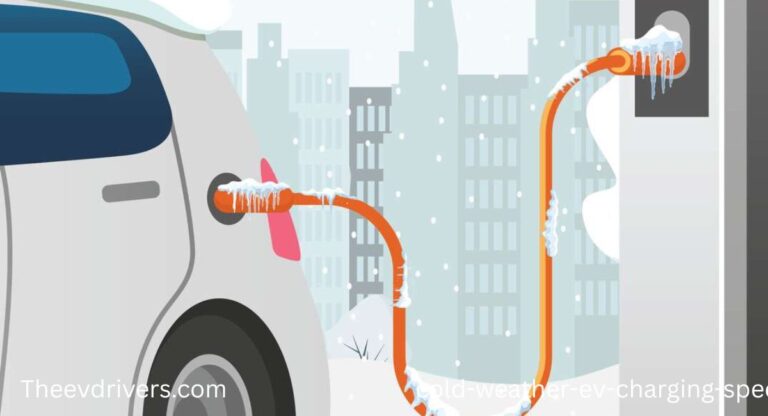
Winter testing season exposes a gap most EV reviews never quantify. Nearly every review covers acceleration and infotainment, but almost none measure how much cabin heating actually costs in real cold. Independent winter testing found consumption jumping an average of 57 percent above rated figures across 14 tested EVs, with some models losing far more…
Every EV carries an EPA range rating built from a laboratory cycle, not a real commute. Independent testers drive the actual mileage instead. Edmunds’ own range tests show results swinging from 20 percent above EPA estimates to nearly 10 percent below them, depending on the vehicle. Most reviews still quote the EPA number alone, without…
North American EV sales fell roughly 20 percent year-to-date through mid-2026. The expired federal tax credit and pullbacks from Ford and General Motors drove that decline. Global EV share tells a different story entirely: EV models now account for more than 27 percent of all cars sold worldwide in 2026, a record high most U.S….
The Senate Commerce Committee passed the Connected Vehicle Security Act of 2026 with unanimous bipartisan support on July 22. Most coverage stopped at the headline vote. The bill’s foreign-ownership threshold reaches further than most automakers realize, and its restrictions phase in on two separate timelines that matter for anyone buying a connected vehicle. What The…
A year ago, the federal credit gave full EVs an easy financial win over plug-in hybrids. That credit disappeared for vehicles buyers acquired after September 30, 2025. With no federal offset for either powertrain, the five-year cost comparison now hinges almost entirely on whether an owner actually plugs in daily. Why The Old Comparison No…
Head-to-head EV models comparisons usually stop at range and starting price. That comparison skips the number that actually determines ownership cost: energy consumption per mile. The Model Y’s base trim consumes roughly 250 watt-hours per mile. The Ioniq 5 consumes between 290 and 340, depending on trim, a gap most reviews never quantify. Why Range…
The federal 30C home charger credit quietly expired on July 1, 2026, after covering 30 percent of installation costs for years. Most charger-incentive articles online still describe it as active. State and utility programs now carry the real savings, and payout amounts vary sharply by ZIP code rather than by any single national rule. What…
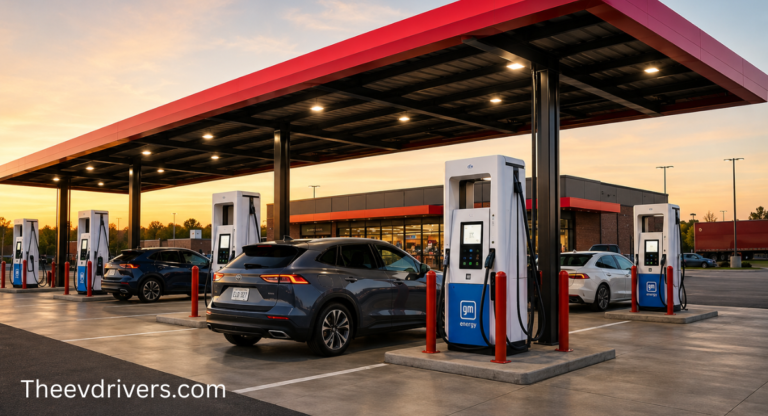
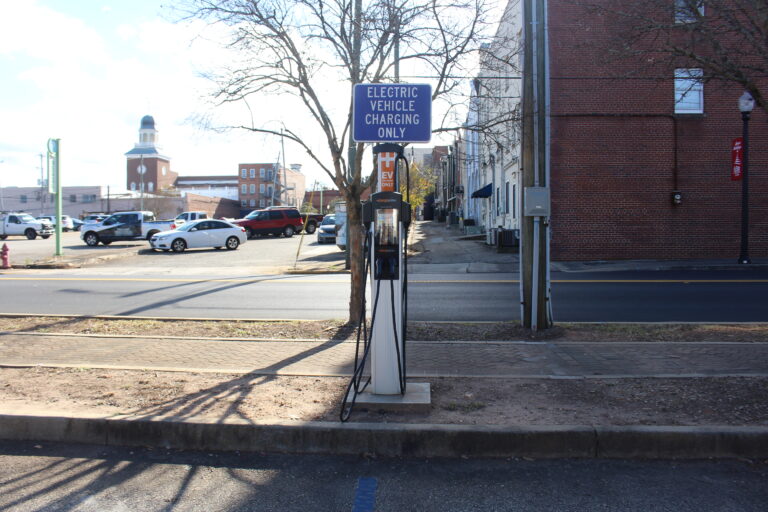
Public charging runs busier in 2026 than at any prior point. Most charging guides explain how to plug in, not what actually causes delays at a crowded station. Staying plugged in past 80% during a busy session causes most real-world delays. That single habit can double how long everyone else waits. The Habit That Causes…
Dealer lots still carry roughly 130 days of EV inventory, well above the 89-day norm for gas vehicles. That surplus forces real discounting most shoppers never see advertised. Chevy, Nissan, and Kia are running 0% financing and cash-back offers simultaneously this month. Stacking those against remaining state incentives cuts thousands off a deal most buyers…
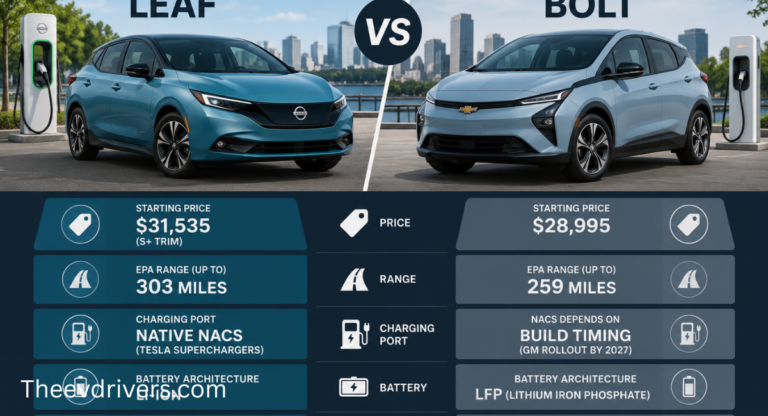
Cheapest-EV roundups keep leading with the Chevrolet Bolt at $28,995. That price wins on sticker alone. The Nissan Leaf S+ trim costs $31,535 and delivers 303 miles of range. Divide price by range and the Leaf actually wins on cost per mile. Most guides never run that math. A $2,540 gap buys 44 more miles…